Skip to content

Operations software

The work your ERP doesn’t do.

Quoting and RFQ intake, scheduling, customer and supplier portals, maintenance and reporting, built around Dynamics 365, NetSuite, Epicor, Sage or SAP Business One rather than instead of them. We find where the work waits, then build and run what fixes it. Written scope, a fixed price, and the source in your name.

Nine updates across four apps. Nobody has the whole picture.

What you can count on

  • Principal-led, start to finish

    The senior engineer who runs discovery writes the specification and leads the build and the run, so nothing is lost in a handover, and nothing goes live without your sign-off.

  • A price before a line of code

    Scope, price and date go in writing before anything is committed. Changes are priced before they happen.

  • Everything in your name

    Source, data, hosting and every third-party account, from the first day. Leaving is as easy as arriving.

Sound familiar?

Pick what is true of your business. The first step is the same for all of them; what gets built is not.

Is this a fit?

A good fit

  • A manufacturer, distributor or industrial services company
  • Roughly 100 to 1,000 people, with an ERP already in place
  • A process you can describe, with no specification yet
  • An operations, IT or finance lead who owns the problem and can give discovery a few hours

Not yet

An idea for a product you want to sell to others. That is product engineering, and it starts with its own discovery sprint or a quote.

See product engineering

Something adjacent

A website. Still us, different page.

See websites

The first step

Start with a discovery sprint.

Two to four weeks to audit the product, the code, the data and the AI opportunity, prototype the riskiest part, and leave with a plan, a price and a date. A company of roughly 100 to 1,000 people with a goal it can describe and no specification yet: a new product, an AI initiative, a system to replace or a set of systems to connect.

Duration
Two to four weeks
Price
From $6,000 CAD, fixed before it starts. Most land between $6,000 and $18,000.
Your time
Six to twelve hours of your team's time in total, spread across the people who own the problem.
  • If you go ahead with the build, the discovery fee comes off it in full.
  • If you do not leave with a scoped plan you can take anywhere, you do not pay.

Then the build.

Five phases, each with something in your hands at the end of it.

  1. 01

    Audit

    Two weeks inside the business: who does what, in which system, and where quotes, orders and schedules stall.

    You getA process map, options and a recommended scope with a fixed price.

  2. 02

    Specify

    The recommendation becomes a written specification: screens, data, integrations, and what is explicitly out.

    You getA specification, a price and a date, before a line of code.

  3. 03

    Build

    Work lands in a live preview you can open any time, with weekly check-ins alongside the people who will use it.

    You getA preview from the first week and no surprises on the invoice.

  4. 04

    Launch

    Data migrated, people shown round, and the old way kept running until you choose to switch it off.

    You getSource, accounts and infrastructure in your name.

  5. 05

    Run

    Optional: we run it. Hosting, monitoring, updates, the small changes a live system needs, and a weekly report, for a monthly fee. Or run it yourself; the build is yours either way.

    You getA system that is still buildable in two years.

What gets built.

Five shapes most operations work takes. Discovery tells us which, and often that it is two of them.

Systems integration

Make the systems agree.

The software you already pay for, made to tell the same story: one record for each customer, order and invoice, kept in sync rather than exported and re-imported.

  • Dynamics 365, NetSuite, Epicor, SAP Business One, Sage, Salesforce and HubSpot, and the systems behind them
  • Sync in both directions, not a nightly export
  • Exceptions flagged, not buried

Quoting, follow-up and scheduling

Every enquiry answered, quoted and booked.

Quote requests and RFQs acknowledged, logged and routed to whoever quotes. Follow-up that runs until the customer books or declines. Jobs landing on the calendar you already use, with the customer told automatically.

  • Intake from email, phone, forms and chat into one queue
  • Scripts, stop conditions and escalations you approve before anything runs
  • Runs inside your ERP, your CRM and Microsoft 365 or Google Workspace

Internal platforms

The system the business actually runs on.

Operations platforms, back-office tools and portals built around how the work is done — not how a vendor assumed it would be.

  • Single sign-on with Microsoft 365 or Google Workspace
  • Roles, permissions and an audit trail
  • Built around your process, with the people who run it
  • A live preview from the first week

Legacy replacement

Retire the software nobody can change.

A replacement built from how the work is done now, with the existing data migrated and the old system run alongside until you are ready to switch it off.

  • Data migration included
  • Run in parallel until you are sure
  • Nothing you cannot hire for later

Reporting and dashboards

Answers without an export.

Live reporting straight from the systems of record, so the number is the same wherever you look and nobody has to pull it for you.

  • Dashboards for the questions that get asked
  • Scheduled reports that send themselves
  • One definition of each number

Built in the open

Read the work before you hire us.

Client systems sit behind NDAs and logins. These are whole systems your engineering team can read line by line: a multi-tenant platform with an AI assistant, a point-of-sale integration and a real-time editor.

  • MainTek CMMS

    A multi-tenant maintenance management platform: assets, work orders, preventive maintenance schedules, inventory, procurement and reporting, with a technician mobile app and an AI assistant.

    The kind of operations system mid-market work turns into.

    • NestJS
    • Next.js
    • Expo
    • PostgreSQL
    • Redis
    • Terraform on AWS
    Read the source
  • OrderTakeout

    Pre-ordering and pickup scheduling for a bakery, wired into its existing Square point of sale across three locations, with live inventory, online payment and a staff dashboard.

    Integration with the system a business already runs, not a replacement for it.

    • Next.js
    • Square APIs
    • PostgreSQL
    • Sentry
    Read the source
  • MarkedUp

    A collaborative document workspace with real-time editing, databases, wikis, whiteboards and publishing.

    Hard real-time software, built and shipped by the same person.

    • Next.js
    • ProseMirror
    • Yjs
    • Postgres
    • Clerk
    Read the source

Work

Most operations work sits behind a login.

This is the work that does not. Operations engagements are talked through on the call, under NDA where needed, and references are arranged at the proposal stage.

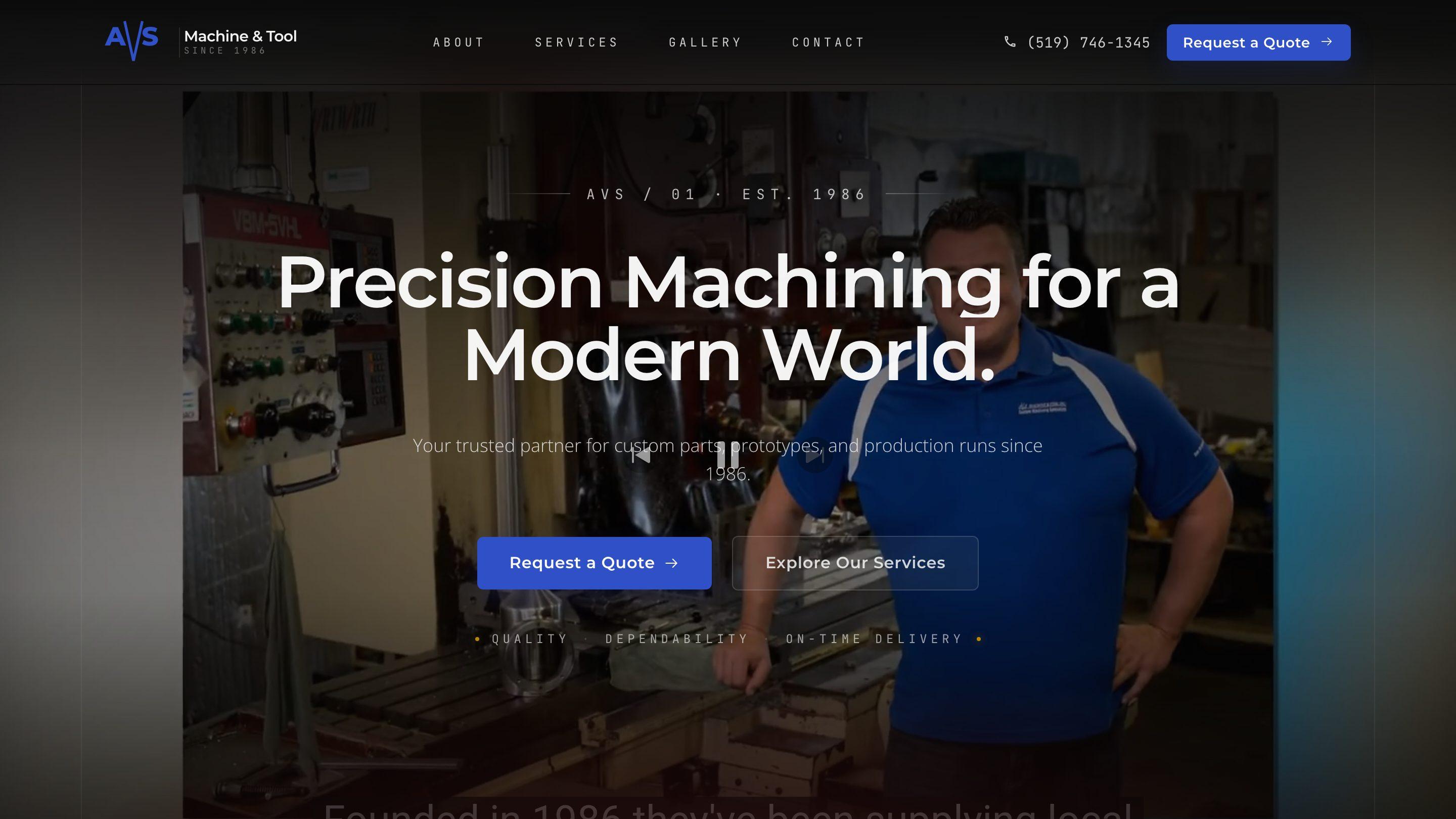
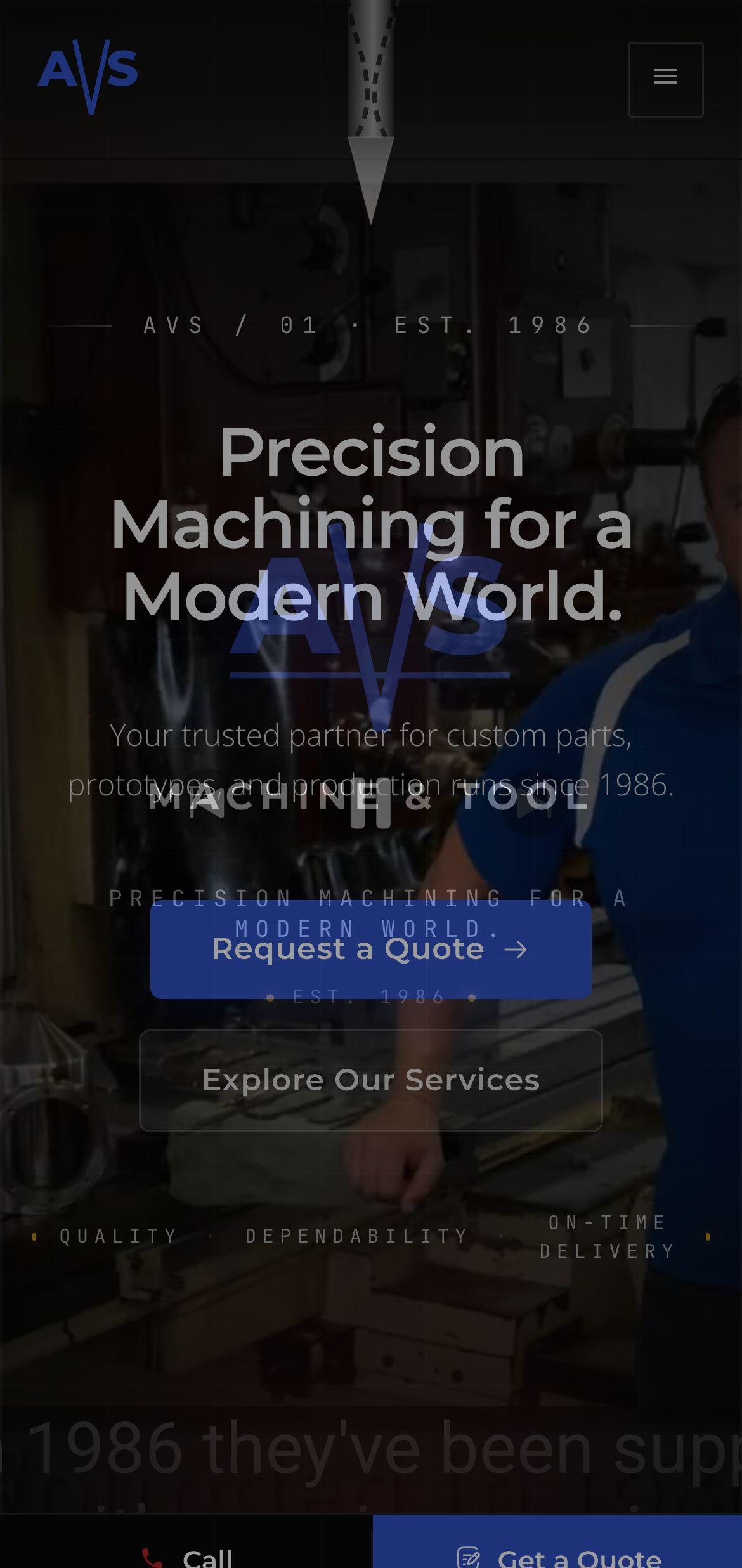
avsmachineandtool.com
The AVS Machine & Tool website on desktop and phone

AVS Machine & Tool · Manufacturing

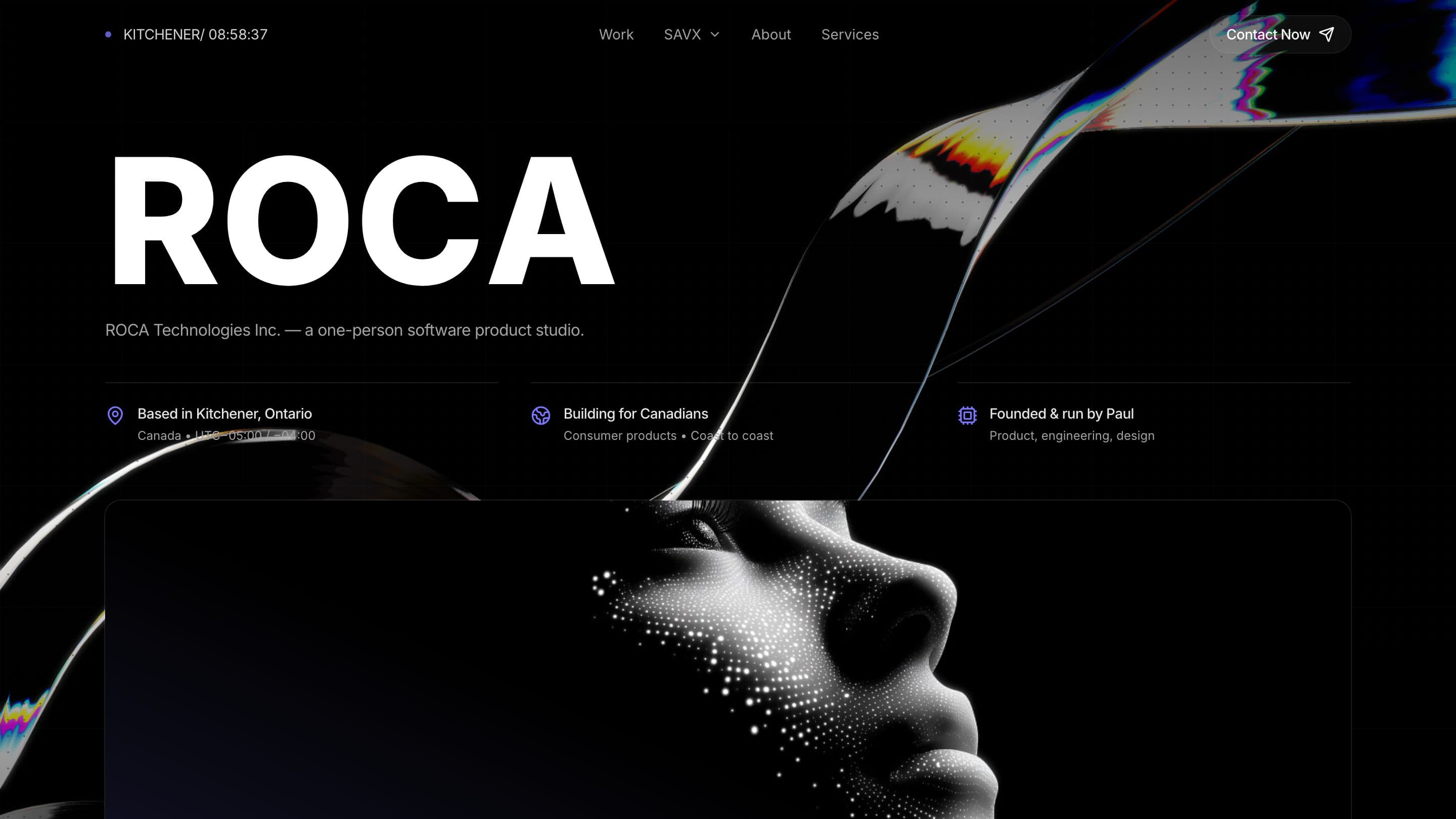
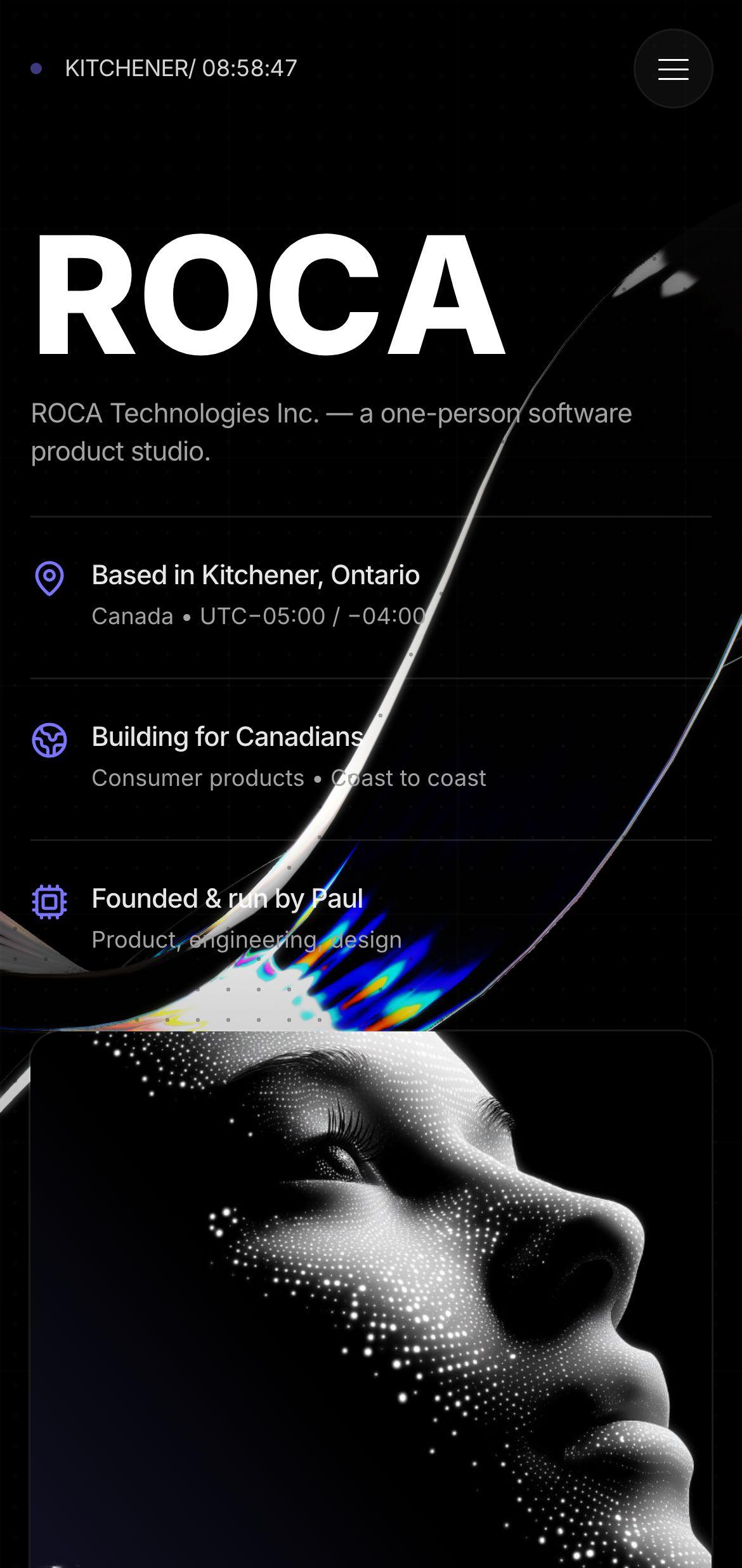
rocatechnologies.ca
The ROCA Technologies website on desktop and phone

ROCA Technologies · Software and technology

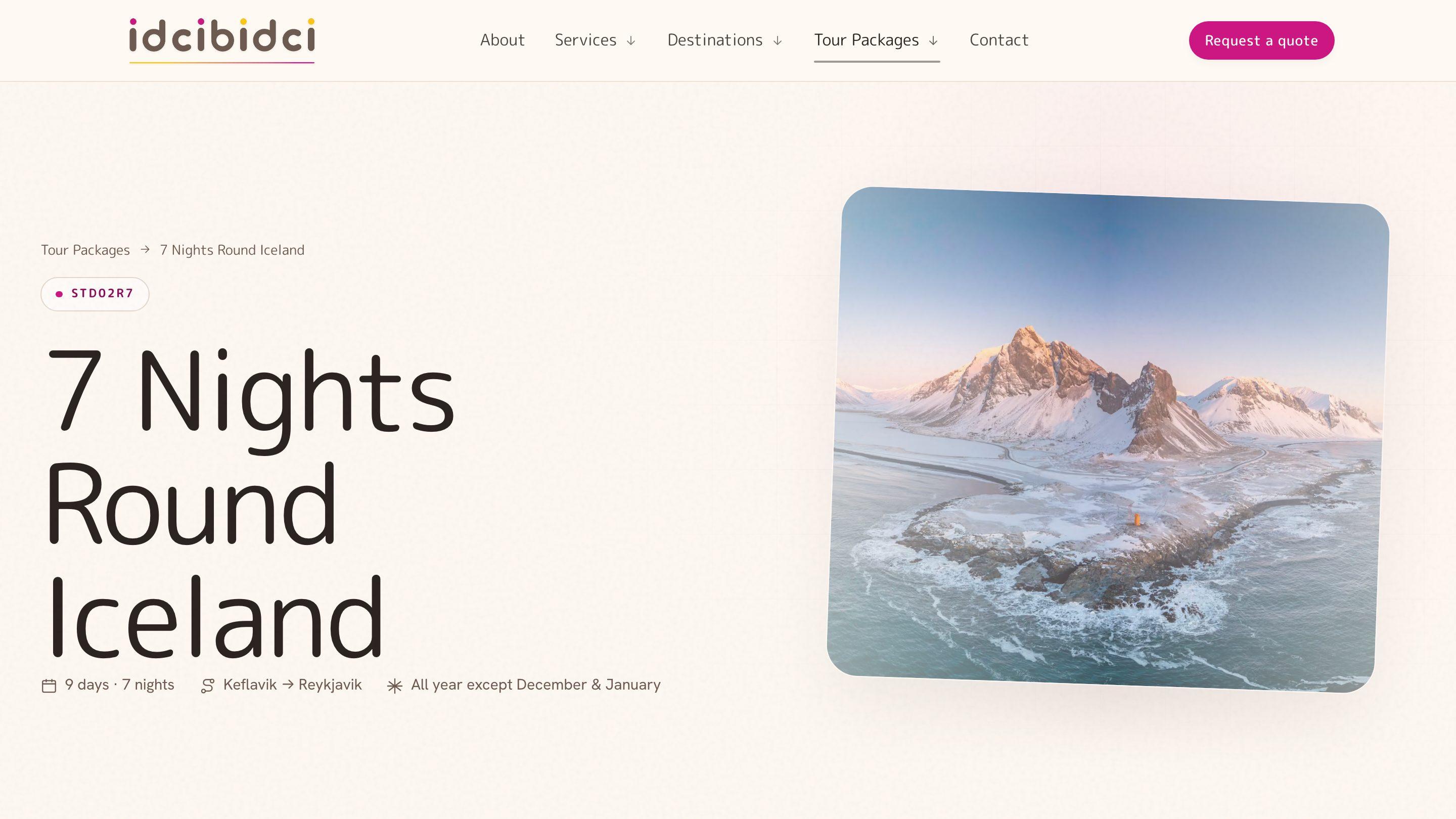
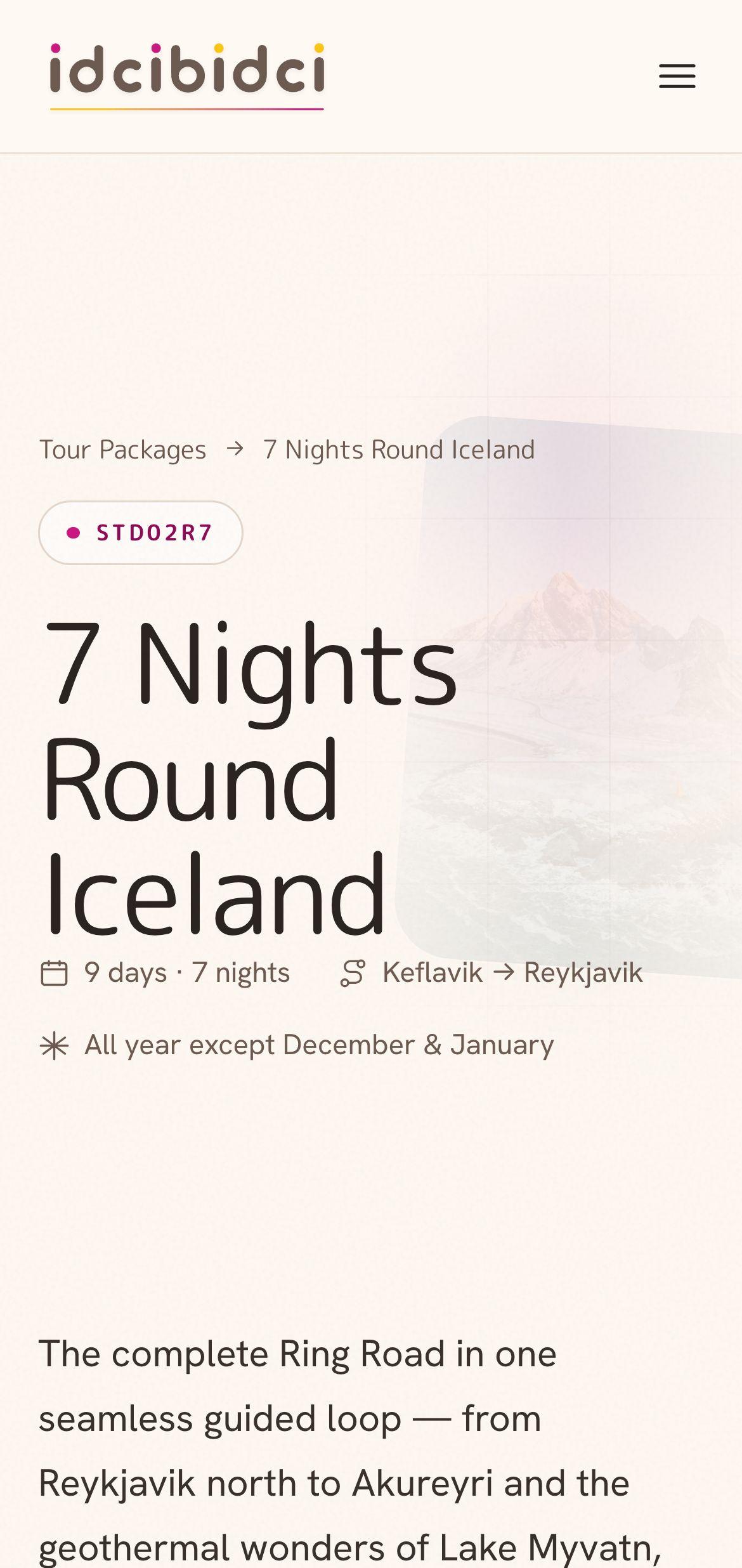
idcibidci.is
The Idcibidci website on desktop and phone

Idcibidci · Travel and tourism

What clients say about working with us.

Public reviews, quoted as written and linked to the original.

  • “Working with him made the entire project incredibly easy. He truly understands our needs and is fantastic to work with. Highly recommended!”

    Albert Martin

    AVS Machine & Tool

    Google review, five stars
  • “Actually blew my mind what he could do for me, website was more than I expected. Quick communication when I needed the website updated. Deployed within minutes.”

    Paul Tulai

    ROCA Technologies

    Google review, five stars
  • “Chris built my site from scratch and now handles all the hosting and ongoing maintenance. He keeps everything running smoothly so I don't have to worry about a thing.”

    Zoltan Matus

    ZoltanBuilds

    Google review, five stars

Take the next step.

Three ways in, depending on how much you already know.

  • Start with a discovery sprint

    Two to four weeks, from $6,000 CAD, ending in a plan, a price and a business case you can take anywhere. The fee comes off the build.

    Start an inquiry
  • Talk it through first

    Eight short questions about what is slowing you down, then a call at a time that suits you and a written summary within one business day. No obligation, nothing to sign.

    Start an inquiry
  • Already have a specification?

    Skip discovery. A defined scope is quoted directly as a fixed-scope project.

    See fixed-scope projects

What happens after you book.

  1. 01

    A call

    30 minutes

    You talk, we ask questions. No slides.

  2. 02

    A written summary

    Within one business day

    What we heard, and whether a discovery sprint, a quote or nothing is the right next step.

  3. 03

    Discovery or a quote

    Two to four weeks

    A discovery sprint when the goal is clear and the solution is not. A fixed quote when the scope already is.

  4. 04

    The build

    Fixed price, fixed date

    A live preview from the first week, and everything in your name at the end. Then we run it, if you want us to.

Questions, answered.

Do we have to start with a discovery sprint?
No. If you already have a specification, or the problem is small and clear, it is quoted directly as a fixed-scope project. Discovery is for when the problem is known and the solution is not.
What does it cost?
Discovery is a fixed fee from $6,000 CAD; most land between $6,000 and $18,000, depending on how many sites, teams and systems are involved. You know the number before it starts, it is the only thing you commit to, and it comes off the build if you go ahead. Builds start at $50,000 for one workflow end to end, integrated with your ERP, land around $100,000 for two or three workflows with a portal, and start at $150,000 for a platform that runs a whole department. Running it afterwards is optional, from $2,500 CAD a month on a twelve-month term, sized to the system and the support it needs.
Why not just use AI, or a no-code tool?
Sometimes you should, and discovery will say so. The rule: use off-the-shelf or no-code when the workflow fits the tool and the data can live there; build custom when the problem is integration, ownership, or a process the tools cannot bend to. We use AI for first drafts too, with a person reviewing every line, because in Veracode's 2025 study AI models picked the insecure option in 45% of coding tasks.
What happens if the person who built it is unavailable?
You own the source, the repository, the hosting and every account from day one, so nothing depends on us staying. Everything is documented for the next developer as it is built, a named second developer can be written into the contract, and the stack is mainstream enough that your IT team or any local shop can maintain it.
How long until something is live?
Discovery takes two to four weeks. Builds are released in stages, so the first piece is usually in use within weeks of starting, while the rest is still being finished.
Who runs it once it is live?
You can, or we can. Hosting, monitoring, updates, the small changes a live system needs and a weekly report are from $2,500 CAD a month on a twelve-month term, sized to the system and the support it needs. The build is yours either way, so stopping is a notice period, not a migration.
What if the answer is not to build anything?
Then that is the recommendation, in writing. Sometimes the fix is a process change or an off-the-shelf tool. Discovery is designed so that answer costs a few weeks to reach rather than a quarter.
Can you work with the software we already have?
Usually that is the point. Most operations work is integration — getting the ERP, CRM, scheduling and the quote queue to tell the same story — rather than replacing any of them.
Who owns what gets built?
You do. Source code, data, hosting and every account are in your name from the first day, including the discovery deliverables.
Will this disrupt the team while it is being built?
Discovery takes a few hours of each person’s time in conversation. The build runs beside the current process, and the switch happens when you are ready, not when the calendar says so.
Do you sign NDAs?
Yes, and an NDA before discovery is normal. Most of this work sits behind a login, which is why little of it can be shown publicly.
Whose contract do we sign?
Either. We work under a master services agreement with a statement of work per engagement, and your paper is fine subject to review. Purchase orders are accepted. The full terms are on the Working with AutomatQ page.
Can you pass our vendor security review?
Yes. A completed security questionnaire, data-handling policy and incident response plan go out with the proposal, and your own questionnaire is answered in writing before contract. Access is granted in your name and scoped to the work, every account has multi-factor authentication, production data stays off personal machines, and everything is hosted in your accounts rather than ours.
Do you carry insurance?
Insurance requirements go in the statement of work. Tell us what your agreement requires and cover is confirmed in writing, with certificates, before anything is signed.
Can our team sign in with Microsoft 365 or Google Workspace?
Yes. Single sign-on, roles and an audit trail are standard on internal platforms, so there is no second password to manage and access ends when someone leaves the directory.
Does the data have to stay in Canada?
It can. When residency is a requirement, data and compute stay in AWS's Canadian region and the hosting choice follows from that. Infrastructure you already run is fine too.
Will it meet AODA?
Everything built targets WCAG 2.1 AA, which is the standard Ontario's AODA requires of organisations with fifty or more employees. It is tested with automated tooling and by hand, keyboard and screen reader included.
Can we speak to a reference?
Yes. References are arranged at the proposal stage, so a client's time is only asked for when a decision is close.
Security, continuity, insurance, contracts, support terms and hosting, written down for the people who have to sign off.

Working with AutomatQ

Bring the problem. Leave with a plan.

A short inquiry and a call, then a discovery sprint that ends in a recommendation, a scope and a price. Nothing is committed until you accept it.